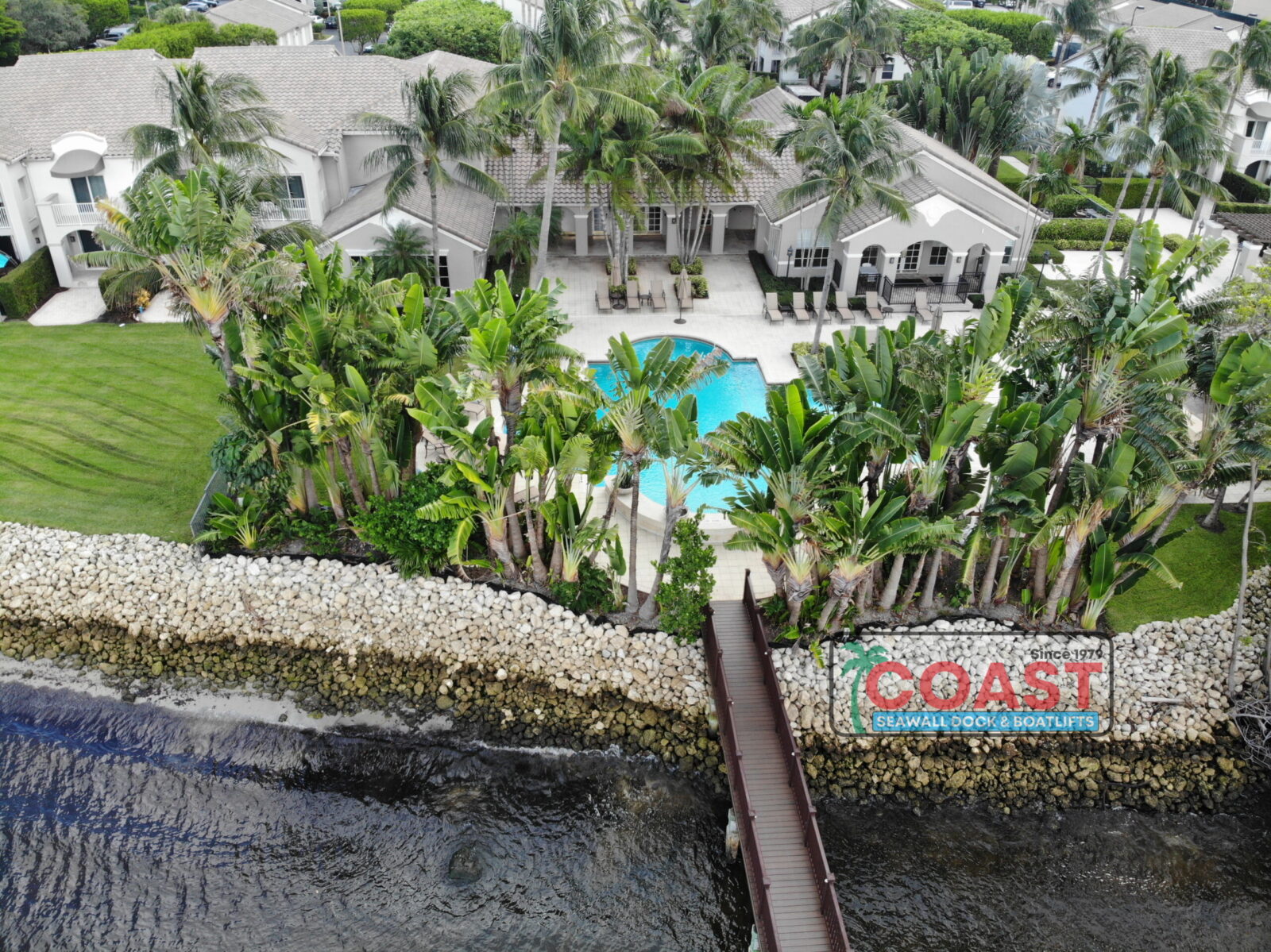
Rock revetments are essential structures in coastal engineering, designed to protect shorelines from erosion and wave action. They are typically constructed using large stones or boulders placed on the slope of a shoreline. This form of protection is not only durable but also environmentally friendly, as it can blend with the natural landscape. Mastering the installation of rock revetments is crucial for ensuring their effectiveness and longevity. This article provides an in-depth guide to understanding the key elements involved in rock revetment installation.
Understanding the Basics of Rock Revetment
Rock revetments serve as a crucial line of defense against coastal erosion. The design and installation process of these structures is complex and requires a deep understanding of the coastal environment.
- Material Selection: Choose the appropriate type of stones or boulders, considering factors like size, density, and durability.
- Site Assessment: Conduct a thorough analysis of the site to understand the wave dynamics and sediment transport patterns.
- Design Considerations: Develop a design that aligns with the natural slope of the shoreline and accommodates potential sea-level changes.
For a comprehensive understanding of the basics, discover expert strategies here.
Planning and Preparation
Site Evaluation and Analysis
Before installation, a detailed evaluation of the site is necessary. This involves:
- Geotechnical Surveys: Assessing the stability of the soil and subsoil conditions.
- Environmental Impact Assessments: Evaluating the potential impacts on local ecosystems and biodiversity.
- Permitting and Compliance: Ensuring compliance with local regulations and obtaining necessary permits.
Planning is a critical phase that determines the success of the project. To find out more about this approach, explore the detailed guidelines available.
Installation Process
Step-by-Step Guide
The installation of rock revetments involves several key steps to ensure stability and durability:
- Excavation: Preparing the site by removing debris and leveling the ground.
- Foundation Layer: Placing a foundation layer of smaller stones or gravel to ensure stability.
- Placement of Rocks: Strategically placing larger stones to form a robust barrier against waves.
- Compaction and Adjustment: Compacting the structure and adjusting stones to fill gaps and ensure tightness.
- Finishing Touches: Inspecting and reinforcing the structure, adding vegetation to enhance aesthetics and stability.
For more detailed instructions, explore advanced guides and tips.
Maintenance and Monitoring
Once the rock revetment is installed, ongoing maintenance is essential to preserve its integrity and functionality:
- Regular Inspections: Conducting periodic inspections to identify and repair any damages.
- Erosion Control: Monitoring for signs of erosion and implementing additional measures if necessary.
- Vegetation Management: Managing vegetation growth to prevent root damage to the structure.
Learn about our tailored solutions for maintaining rock revetments by visiting the relevant resource page.
Conclusion
Mastering rock revetment installation requires a comprehensive understanding of coastal dynamics, meticulous planning, and precise execution. By following best practices and leveraging expert insights, it is possible to construct durable and effective revetments that protect coastlines while integrating seamlessly with the natural environment. To stay updated on the latest techniques and strategies, continue to explore resources and expert advice.