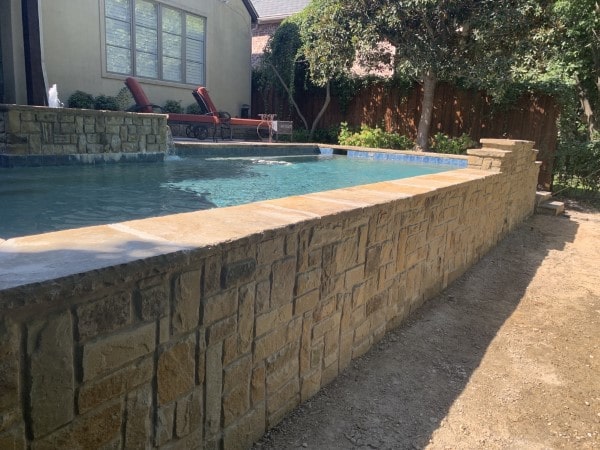
Retaining walls play a crucial role in landscape architecture, offering both functional and aesthetic benefits. However, over time, these structures can deteriorate due to various factors such as environmental stress, poor construction, or lack of maintenance. Addressing the signs of wear early is vital to prevent further damage and ensure safety. This article explores the essentials of retaining wall repair, highlighting practical strategies and expert insights to restore their functionality.
Understanding Common Retaining Wall Issues
Retaining walls are exposed to constant pressure and environmental factors that can lead to several common issues:
- Cracking: Often caused by soil movement or improper drainage, cracks can compromise the structural integrity of the wall.
- Bowing or Leaning: Excessive pressure from the soil or inadequate reinforcement may cause the wall to lean or bow.
- Water Damage: Poor drainage can lead to water accumulation, causing erosion and weakening the wall.
For detailed guidance on addressing these issues, discover expert strategies here.
Essential Steps for Retaining Wall Repair
Repairing retaining walls involves a series of steps to identify and address the underlying problems effectively:
1. Inspection and Diagnosis
Conduct a thorough inspection to assess the extent of the damage. Look for signs of cracking, leaning, and water damage. Understanding the root cause is crucial for implementing the right repair strategy. Explore advanced guides and tips for effective inspection techniques.
2. Drainage Solutions
Proper drainage is critical to prevent water-related issues. Consider the following solutions:
- Installing Drainage Pipes: Helps redirect water away from the wall.
- Adding Gravel or Drainage Stone: Enhances water flow and minimizes pressure on the wall.
Learn more about these drainage solutions by visiting our tailored solutions.
3. Structural Reinforcement
Reinforcing the structure is essential for long-term stability. This may involve:
- Tiebacks or Anchors: Used to provide additional support and prevent further movement.
- Wall Reconstruction: In severe cases, rebuilding parts of the wall may be necessary.
Find out more about this approach to structural reinforcement techniques.
Preventative Measures for Long-lasting Retaining Walls
Implementing preventative measures is key to extending the life of retaining walls and minimizing future repairs:
- Regular Maintenance: Schedule routine inspections and maintenance to catch potential issues early.
- Effective Landscaping: Proper landscaping can reduce soil pressure and improve drainage.
- Professional Consultation: Engage with experts for tailored advice and solutions specific to your retaining wall needs.
For comprehensive preventative strategies, learn about our tailored solutions.
Conclusion
Retaining wall repair is a critical process that ensures both the aesthetic and functional aspects of your landscape architecture are maintained. By understanding common issues, implementing effective repair strategies, and adopting preventative measures, retaining walls can be restored to their full potential. For those in need of expert advice and services, explore advanced guides and tips to keep your retaining walls in prime condition.