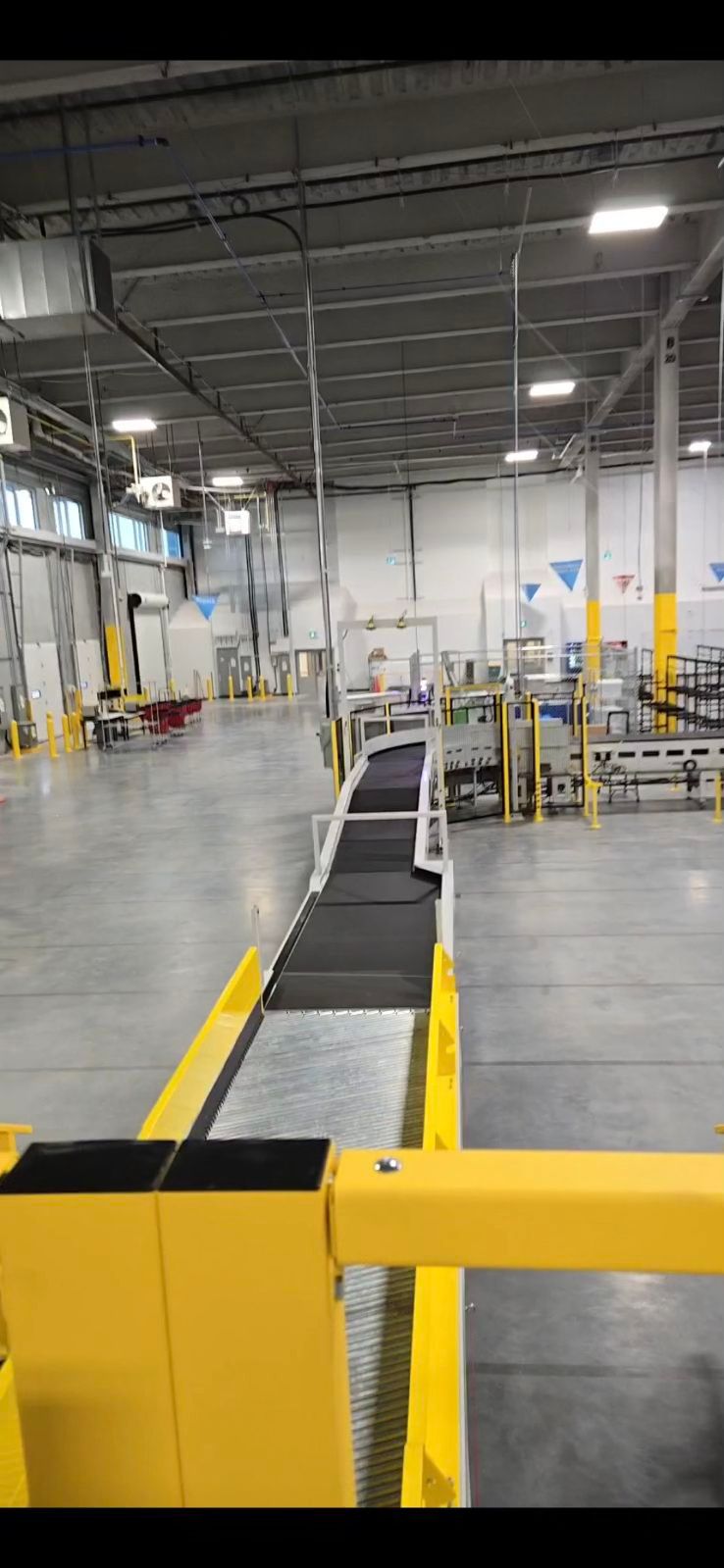
The commercial construction industry is a dynamic sector that requires continual innovation and improvement to meet the ever-evolving demands of modern architecture and infrastructure. As the world progresses, the need for advanced construction methods and enhanced services becomes paramount. This article explores the importance of enhancing commercial construction services and the various strategies that can be employed to achieve this goal. The focus will be on cutting-edge technologies, sustainable practices, and effective project management, all crucial elements in elevating the standards of commercial construction projects.
Technological Advancements in Construction
Incorporating technology into construction processes has proven to be a game-changer. Here are some key technological advancements that are shaping the future of commercial construction:
- Building Information Modeling (BIM): This digital representation of physical and functional characteristics of a facility is crucial for efficient project management and collaboration. Learn more in this detailed guide.
- 3D Printing: This technology is revolutionizing how building components are manufactured, offering speed, precision, and cost-effectiveness.
- Drones: Utilized for site surveying and inspection, drones provide high-quality aerial imagery and data collection capabilities.
- Robotics: Automated machinery is increasingly being used for tasks that are repetitive or dangerous, enhancing safety and efficiency.
These technologies not only enhance the quality of construction but also reduce time and costs associated with complex projects. Read more about this topic.
Sustainable Construction Practices
Sustainability is no longer optional in commercial construction; it is a necessity. Adopting sustainable building practices can lead to significant improvements in energy efficiency, resource management, and environmental impact. Key sustainable practices include:
- Green Building Materials: Using materials that are sustainable and environmentally friendly reduces the carbon footprint of construction projects.
- Energy-Efficient Designs: Incorporating designs that maximize natural light and ventilation reduces the need for artificial lighting and climate control.
- Water Conservation Techniques: Implementing systems to reduce water waste, such as rainwater harvesting and low-flow fixtures.
- Waste Reduction and Recycling: Effective waste management strategies and recycling can significantly decrease the amount of waste produced during construction.
These practices are not only beneficial to the environment but also enhance the reputation and value of the construction project. Explore further insights here.
Effective Project Management
Importance of Strategic Planning
Strategic planning is the backbone of any successful construction project. It involves defining clear objectives, timelines, and resource allocation to ensure all project elements are aligned. Effective project management can lead to:
- Reduced project delays and cost overruns.
- Improved communication and collaboration among stakeholders.
- Enhanced risk management and problem-solving capabilities.
Utilizing Project Management Software
Project management software can greatly enhance the efficiency and effectiveness of construction projects. These tools offer features such as:
- Real-Time Tracking: Monitor project progress and make data-driven decisions.
- Resource Management: Optimize the use of labor, materials, and equipment.
- Collaboration Tools: Facilitate communication between teams and stakeholders.
By leveraging these tools, construction managers can ensure that projects are completed on time, within budget, and to the highest standards. Find additional information here.
In conclusion, enhancing commercial construction services involves a multifaceted approach that includes embracing technology, committing to sustainability, and employing effective project management practices. By focusing on these areas, the commercial construction industry can not only meet current demands but also prepare for future challenges and opportunities.