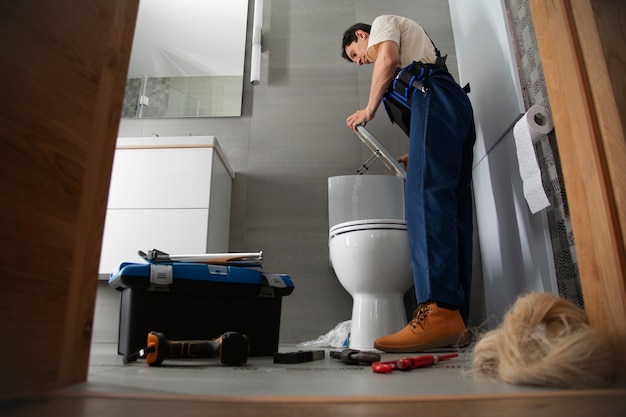
Water damage can be an overwhelming problem for any property owner, often leading to significant structural issues and health hazards if not addressed promptly. Understanding the efficient water damage restoration process is crucial in minimizing damage and ensuring safety. This article delves into a comprehensive restoration strategy, offering valuable insights into effectively managing water damage situations.
Initial Assessment and Inspection
Upon discovering water damage, the first step is a thorough assessment and inspection of the affected area. This process involves:
- Identifying the source of water intrusion.
- Evaluating the extent of the damage.
- Assessing potential health risks, such as mold growth.
Utilizing advanced technology and expert techniques, professionals can provide a detailed analysis, ensuring accurate and efficient restoration. Learn about our tailored solutions.
Water Extraction and Removal
Once the assessment is complete, the next critical phase involves water extraction. Rapid removal of standing water is essential to prevent further damage and mold development. This step includes:
- Using powerful pumps and vacuums for effective water extraction.
- Employing specialized equipment to handle various water types, including clean, gray, and black water.
Proper extraction not only mitigates immediate risks but also lays the groundwork for successful drying and restoration. Discover expert strategies here.
Drying and Dehumidification
Following water removal, the drying process is critical to prevent mold and bacterial growth. Effective drying involves:
- Deploying industrial-grade dehumidifiers and air movers to eliminate moisture.
- Constant monitoring of moisture levels to ensure thorough drying.
- Utilizing infrared cameras and moisture meters for precise detection of hidden moisture.
This meticulous approach ensures that all areas, including those not visible to the naked eye, are completely dry. Explore advanced guides and tips.
Cleaning and Sanitization
Post-drying, a comprehensive cleaning and sanitization process is essential to eliminate contaminants and restore safety. This phase involves:
- Using antimicrobial treatments to prevent mold and bacterial growth.
- Thorough cleaning of affected surfaces and belongings.
- Disposal of items that cannot be salvaged.
Incorporating these measures ensures a healthy environment post-restoration. Find out more about this approach.
Restoration and Repairs
The final stage in the water damage restoration process involves restoring the property to its pre-damage condition. Restoration may include:
- Repairing or replacing damaged drywall, flooring, and structural elements.
- Painting and refinishing surfaces to match existing decor.
- Conducting final inspections to ensure the integrity and safety of the restoration work.
These efforts not only restore the aesthetic value but also ensure structural stability and safety. Learn more about this comprehensive process.
Understanding and implementing an efficient water damage restoration process is vital for minimizing damage and protecting the health and safety of occupants. By following this structured approach, property owners can effectively tackle water damage challenges and restore their properties to a safe, livable condition.