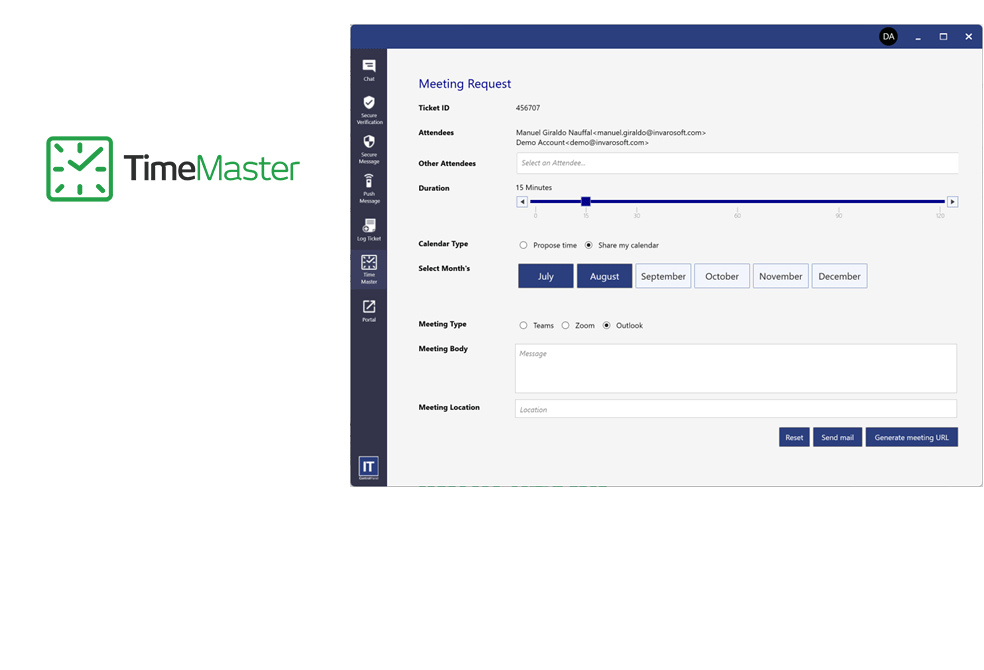
In today’s fast-paced business environment, Managed Service Providers (MSPs) face the constant challenge of meeting client demands while optimizing internal processes. As the industry grows more competitive, the need for efficient management and operational tools becomes critical. One such tool, MSP scheduling software, has emerged as a game-changer, offering numerous benefits that enhance productivity and streamline operations. Understanding the advantages of adopting such software can significantly impact an organization’s ability to deliver timely and efficient services.
Streamlined Operations
MSP scheduling software is designed to simplify and automate various operational processes, leading to a more organized and efficient workflow. This software helps in:
- Automating routine tasks to reduce manual workload and errors.
- Managing and allocating resources effectively to maximize productivity.
- Facilitating seamless communication among team members, reducing downtime and miscommunication.
By implementing an MSP scheduling software, businesses can ensure that their operations run smoothly, allowing them to focus on strategic goals rather than administrative hassles.
Improved Client Satisfaction
Client satisfaction is paramount in the services industry. Scheduling software significantly contributes to better client experiences by:
- Ensuring timely service delivery through precise scheduling of tasks and appointments.
- Providing clients with real-time updates and notifications about service status.
- Allowing for easy rescheduling and adjustments to meet client needs without hassle.
These features empower MSPs to offer a more responsive and adaptable service, leading to enhanced client trust and satisfaction.
Enhanced Resource Management
Effective resource management is crucial for minimizing costs and maximizing output. Scheduling software provides the necessary tools to:
- Track employee availability and skillsets to assign the right tasks to the right people.
- Monitor and analyze resource utilization trends to optimize workforce efficiency.
- Forecast future staffing needs based on historical data and upcoming projects.
This strategic approach to resource management helps organizations maintain a balanced workload and prevents employee burnout.
Data-Driven Decision Making
Access to accurate data is essential for informed decision-making. MSP scheduling software offers robust analytics and reporting features that allow businesses to:
- Analyze performance metrics to identify areas for improvement.
- Generate detailed reports for better insight into operational efficiency.
- Utilize predictive analytics to make proactive adjustments and stay ahead of potential issues.
With the ability to harness data effectively, MSPs can drive continuous improvement and strategic growth.
Scalability and Flexibility
As businesses grow, their operational needs evolve. Scheduling software provides the scalability and flexibility necessary to accommodate this growth by:
- Offering customizable features that can be tailored to specific business requirements.
- Supporting integration with other business systems for a unified workflow.
- Allowing for easy expansion of services without disrupting existing operations.
This adaptability ensures that the software remains a valuable asset as the business landscape changes.
Conclusion
Incorporating MSP scheduling software into business operations provides a strategic advantage by boosting efficiency, enhancing client satisfaction, and optimizing resource management. The ability to make data-driven decisions and adapt to changing needs further solidifies its value. For those seeking to stay competitive and meet growing client expectations, exploring the potential of MSP scheduling software is a worthwhile consideration.