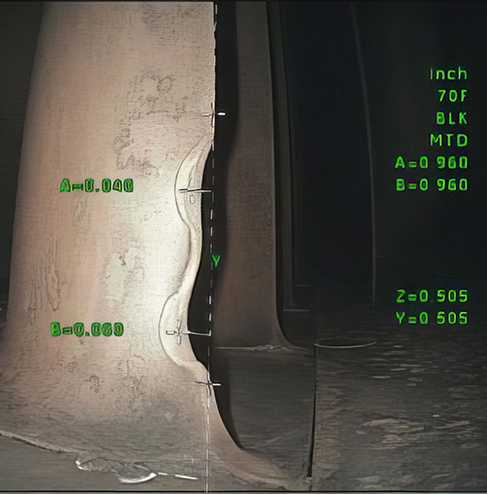
Gas turbines are pivotal in various industries, from power generation to aviation. Their efficiency and longevity are critical, necessitating regular maintenance checks to ensure optimal performance. Borescope inspections have become an indispensable tool in the maintenance toolkit due to their non-invasive nature and ability to deliver high-quality insights into turbine health and functionality. This guide delves into the essentials of borescope inspections for gas turbines, offering a comprehensive understanding of their significance, procedures, and benefits.
Understanding Borescope Inspections
Borescope inspections involve using a specialized optical device to visually inspect the internal components of a gas turbine without disassembling it. This technique is crucial for detecting early signs of wear and tear, potential blockages, or other anomalies that could lead to significant operational issues if left unchecked.
Key Features of Borescope Inspections
- Non-Invasive Access: Allows for internal inspections without dismantling the turbine, saving time and reducing potential damage risks.
- High-Resolution Imaging: Provides clear images of turbine internals, facilitating accurate assessments and diagnostics.
- Real-Time Feedback: Enables immediate analysis and decision-making during inspections.
Reasons for Conducting Borescope Inspections
Borescope inspections are integral to the maintenance strategy of gas turbines for several reasons:
- Identify and address potential issues before they escalate into costly repairs or operational downtime.
- Enhance the turbine’s performance by ensuring all components are functioning optimally.
- Extend the service life of the turbine by maintaining its components in prime condition.
- Comply with safety regulations and standards, thereby avoiding legal and compliance issues.
Discover expert strategies here for more insights into the importance of regular inspections.
Steps Involved in Borescope Inspections
The procedure for borescope inspections is methodical and requires skilled technicians to ensure accuracy and effectiveness:
Preparation Phase
- Review the turbine’s operational history and existing maintenance records.
- Plan the inspection scope, focusing on critical areas and known weak points.
Inspection Phase
- Insert the borescope into designated access points to begin the visual assessment.
- Capture images and videos of the internal components for detailed analysis.
Analysis and Reporting
- Analyze the captured visuals to identify any signs of wear, corrosion, or damage.
- Compile a comprehensive report detailing findings and recommended actions.
Learn about our tailored solutions for conducting precise borescope inspections here.
Benefits of Borescope Inspections
The advantages of borescope inspections extend beyond immediate problem detection. They include:
- Cost Efficiency: Minimizes the need for extensive teardown processes, reducing labor and downtime costs.
- Proactive Maintenance: Facilitates a predictive maintenance approach, allowing for timely interventions before major issues arise.
- Data-Driven Decisions: Provides valuable data that supports informed maintenance and operational decisions.
Explore advanced guides and tips on maximizing the benefits of borescope inspections here.
Conclusion
Borescope inspections play a crucial role in the maintenance and operational efficiency of gas turbines. By providing detailed insights into the turbine’s internal condition, they empower maintenance teams to make informed decisions, enhance performance, and extend equipment life. With the right strategies and expertise, these inspections can be seamlessly integrated into regular maintenance routines, ensuring that turbines operate safely and efficiently. Find out more about this approach here.