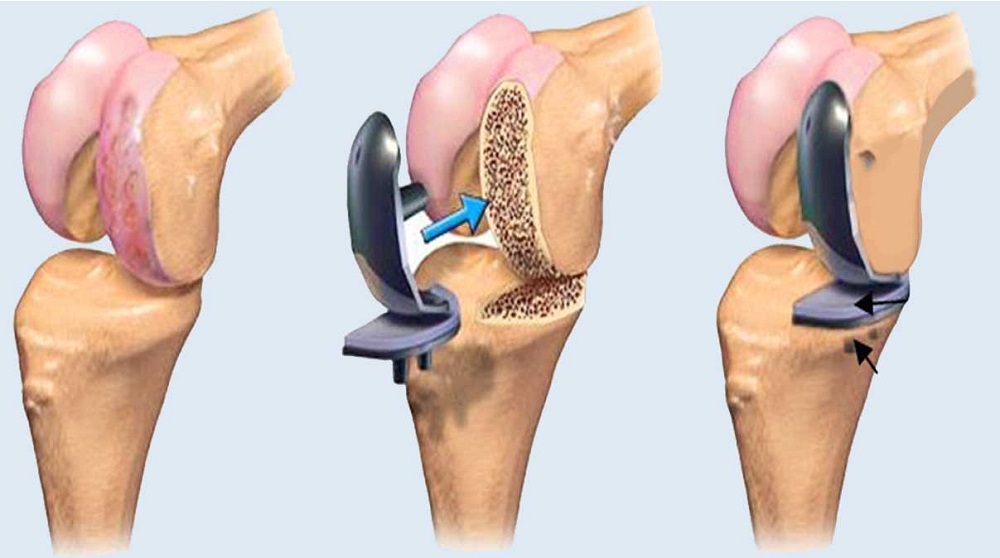
Knee replacement surgery has become a common procedure for those suffering from severe knee pain and immobility, often due to arthritis or injury. However, surgery isn’t always the first or best choice for everyone. Many patients seek effective alternatives to manage pain and restore function without the risks and recovery time associated with surgical intervention. There are several non-surgical treatment options that can provide relief and improve quality of life for those experiencing knee issues.
Physical Therapy
Physical therapy is a highly recommended option for those looking to avoid knee replacement surgery. A structured program can help strengthen the muscles around the knee, increase flexibility, and improve overall mobility. This can significantly reduce pain and improve function in the knee joint. Key components of physical therapy might include:
- Strength exercises to support the knee joint
- Flexibility and balance training
- Aerobic exercises to enhance overall fitness
Medications
Over-the-counter and prescription medications can be effective in managing knee pain and reducing inflammation. Some options include:
- Nonsteroidal anti-inflammatory drugs (NSAIDs) such as ibuprofen or naproxen
- Corticosteroid injections for more severe inflammation
- Topical pain relief creams and gels
Genicular Artery Embolization
A newer and innovative procedure, genicular artery embolization, offers a minimally invasive alternative to knee replacement surgery. This procedure involves blocking certain blood vessels in the knee to reduce inflammation and pain. It is an option for patients who may not be candidates for surgery or prefer to avoid it altogether.
Platelet-Rich Plasma (PRP) Therapy
PRP therapy involves injecting a concentration of a patient’s own platelets to accelerate the healing of injured tendons, ligaments, muscles, and joints. This treatment can be particularly effective for those with mild to moderate knee osteoarthritis. Benefits of PRP therapy include:
- Reduced joint pain and stiffness
- Improved function and mobility
- Potential to delay or prevent the need for surgery
Weight Management
Maintaining a healthy weight is crucial for reducing stress on the knee joints. Excess weight can exacerbate pain and accelerate joint degeneration. Effective strategies for weight management include:
- Following a balanced diet rich in nutrients
- Engaging in regular physical activity
- Working with a nutritionist or dietitian for personalized guidance
Acupuncture
Acupuncture is a traditional Chinese medicine practice that can relieve knee pain by stimulating specific points on the body. It promotes the release of natural painkilling chemicals and improves blood circulation around the knee. Acupuncture can be a valuable component of a comprehensive pain management plan.
Conclusion
There are numerous effective alternatives to knee replacement surgery, ranging from physical therapy and medications to innovative procedures like genicular artery embolization and PRP therapy. By exploring these options, patients can often manage their symptoms and improve their quality of life without the need for invasive surgery. Consulting with a healthcare professional is essential to determine the most appropriate treatment plan tailored to individual needs and conditions.