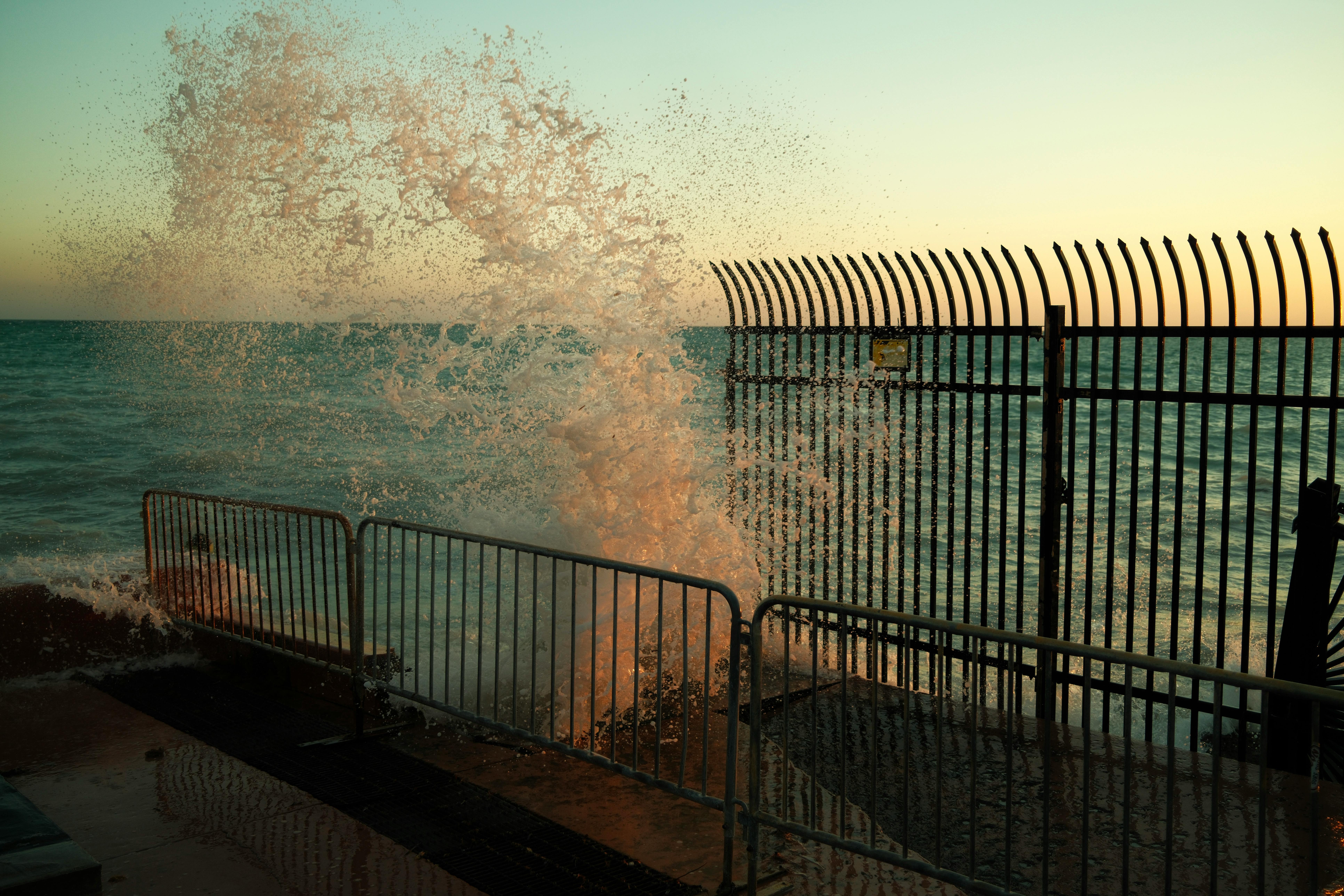
Coastal properties face unique challenges when it comes to protection against natural forces. The relentless impact of waves, tides, and storms can lead to significant erosion and damage. Investing in premium seawall solutions is crucial for safeguarding these valuable assets. Modern seawall designs offer a blend of durability, resilience, and aesthetic appeal, ensuring both functionality and visual harmony with the surroundings. Understanding the different types of seawalls and their benefits can guide property owners in making informed decisions.
Understanding Seawall Types
Seawalls come in various types, each suited to different environmental conditions and property needs. Here are some common types:
- Vertical Seawalls: Ideal for areas with high vertical wave energy. They provide a strong barrier but can reflect wave energy, which might cause nearby erosion.
- Curved Seawalls: Designed to dissipate wave energy by redirecting it back to the sea, reducing the impact on the structure.
- Revetments: Sloping structures that absorb wave energy. These are often made from rock or other heavy materials.
- Gabions: Mesh cages filled with rocks, offering flexibility and permeability, suitable for areas with moderate wave action.
Discover expert strategies here to determine which type best fits a specific coastal site.
Key Benefits of Premium Seawall Solutions
Opting for high-quality seawall solutions offers numerous advantages:
- Enhanced Protection: Robust seawalls effectively prevent erosion and protect land assets from aggressive wave action.
- Increased Property Value: Well-constructed seawalls enhance the aesthetic and functional value of coastal properties.
- Longevity: Premium materials and expert construction result in seawalls that withstand harsh conditions over time.
- Environmental Harmony: Modern designs integrate with natural surroundings to minimize ecological impact.
Learn about our tailored solutions that meet diverse environmental requirements.
Design and Construction Considerations
Material Selection
The choice of materials greatly influences the effectiveness and lifespan of a seawall. Common materials include:
- Concrete: Offers strength and durability, suited for high-impact areas.
- Steel: Used in combination with other materials for reinforcement.
- Vinyl and Composite: Provide corrosion resistance and are lightweight, making them ideal for various environments.
Explore advanced guides and tips on selecting the right materials for specific coastal conditions.
Expert Construction Practices
The success of a seawall project heavily relies on expert construction practices. Key aspects include:
- Site Assessment: Comprehensive analysis of the site to tailor the design to specific challenges.
- Engineering Expertise: Utilizing advanced engineering techniques to ensure structural integrity.
- Maintenance Plans: Implementing routine checks and repairs to extend the life of the seawall.
Find out more about this approach to ensure the longevity and effectiveness of seawall installations.
Conclusion
Investing in premium seawall solutions is a strategic move for coastal property owners. By understanding the different types of seawalls, their benefits, and the importance of expert construction, property owners can enhance protection, increase property value, and ensure long-term sustainability. For those interested in implementing these solutions, a wealth of resources and professional guidance is available to support informed decision-making.