Bed bugs, the uninvited guests in many households, have become a significant concern due to their rapid reproduction and resilience. These tiny pests can cause discomfort, anxiety, and sleepless nights for those affected. Fortunately, with the advancement in pest control techniques, effective and proven methods are available to eliminate these pests. This article delves into these methods, helping you understand how to say goodbye to bed bugs for good.
Understanding Bed Bug Behavior
To effectively combat bed bugs, it’s essential to understand their behavior and lifecycle. Bed bugs are nocturnal creatures that thrive in darkness. They are experts at hiding in crevices, mattress seams, and furniture, making detection challenging. Typically, they feed on human blood during the night, leading to itchy bites and irritation.
Inspection and Identification
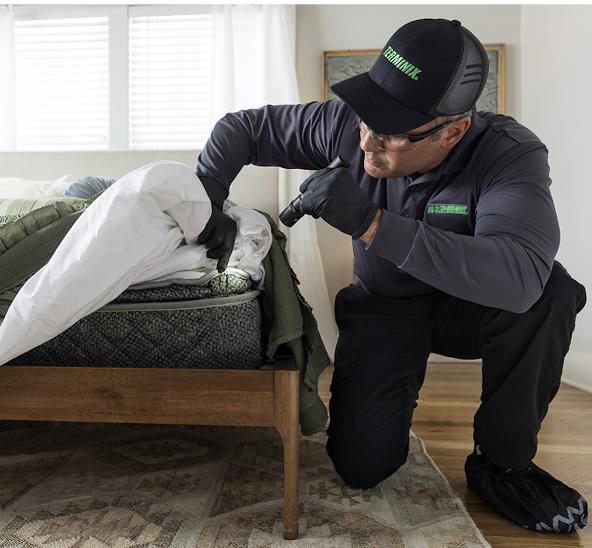
A thorough inspection is the first step in any bed bug treatment plan. Key indicators of a bed bug infestation include:
- Small, reddish-brown bugs or larvae.
- Reddish stains on bedding from crushed bugs.
- Dark spots, which are bed bug excrement.
- Musty odor from the bugs’ scent glands.
Professional pest control services utilize advanced equipment to detect bed bugs even in the most concealed areas, ensuring a comprehensive inspection.
Treatment Methods
Chemical Treatments
Chemical treatments involve the use of pesticides to eliminate bed bugs. These treatments are effective in:
- Directly targeting bed bugs and their eggs.
- Providing residual effects to prevent future infestations.
- Being applied in various forms, such as sprays, powders, and liquids.
While effective, it’s crucial to follow safety guidelines and possibly seek professional application to ensure the best results.
Heat Treatments
Heat treatments are a chemical-free method that uses high temperatures to exterminate bed bugs. This approach:
- Penetrates all areas of the affected space, including cracks and crevices.
- Is environmentally friendly and leaves no chemical residue.
- Can be completed in a single day, reducing disruption to your home.
The temperature is raised to levels that are lethal to bed bugs, effectively eliminating both bugs and eggs.
Integrated Pest Management (IPM)
Integrated Pest Management combines multiple techniques to ensure effective bed bug control. This holistic approach involves:
- Monitoring and identifying bed bug activity.
- Using a combination of chemical and non-chemical treatments.
- Educating residents on prevention methods to avoid future infestations.
IPM focuses on long-term prevention and management, aiming to minimize pesticide use while effectively controlling bed bug populations.
Preventive Measures
After successfully eliminating bed bugs, implementing preventive measures is critical to avoid re-infestation. Consider the following tips:
- Regularly inspect beds and furniture for signs of bed bugs.
- Use protective covers on mattresses and box springs.
- Reduce clutter in bedrooms to minimize hiding spots.
- Be cautious when traveling, as bed bugs can hitchhike on luggage and clothing.
Educating oneself about bed bugs and maintaining vigilance are key components in preventing future infestations.
Conclusion
Bed bugs can be a persistent problem, but with the right bed bug treatment methods, they can be effectively eliminated. Whether choosing chemical treatments, heat treatments, or a comprehensive IPM approach, understanding the options and preventative measures is crucial. With informed decisions and professional guidance, you can say goodbye to bed bugs and enjoy a pest-free home.