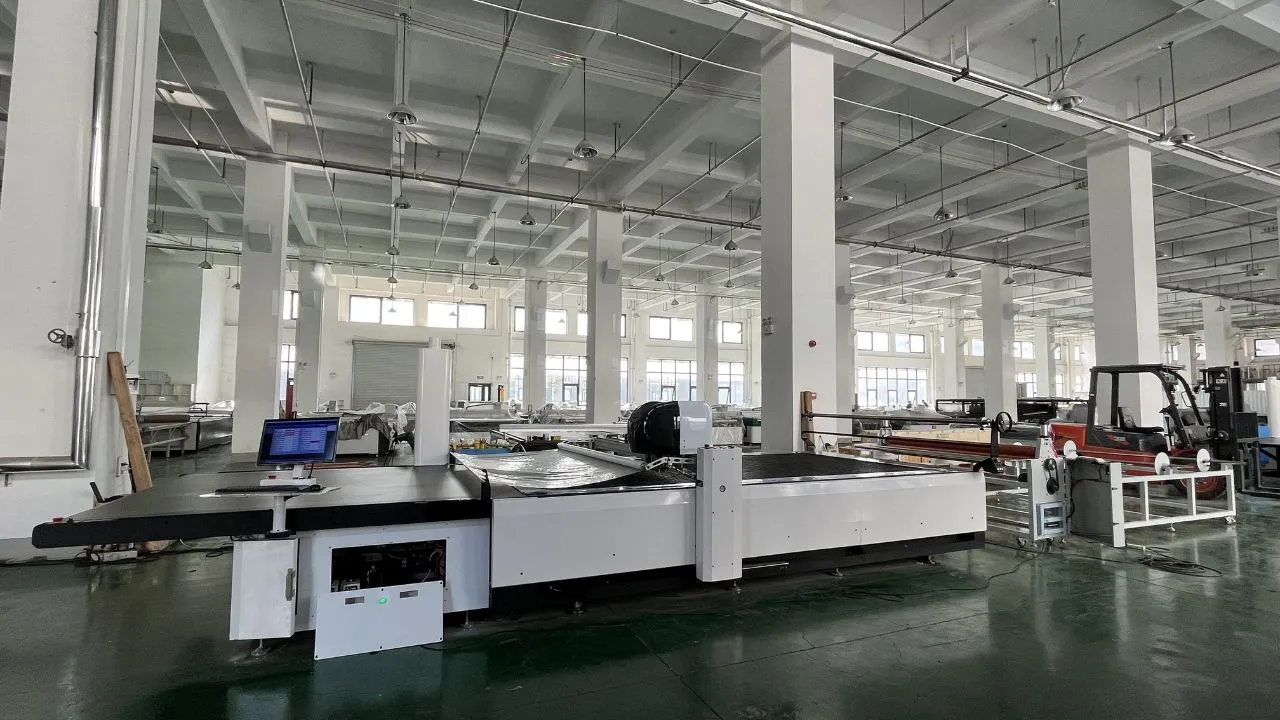
In the fast-paced world of textile manufacturing, efficiency and precision are paramount. As industries evolve with technological advancements, one cannot overlook the transformative impact of automatic fabric cutting machines. These sophisticated devices not only enhance productivity but also ensure optimal use of materials, reducing waste and operational costs. By integrating such machinery into the workflow, manufacturers can achieve a seamless production process that aligns with modern demands and sustainability goals.
Understanding the Benefits of Automatic Fabric Cutting Machines
Automatic fabric cutting machines are designed to revolutionize the textile production landscape. Here are some key advantages:
- Precision and Accuracy: These machines offer unparalleled precision, cutting intricate patterns with minimal error, ensuring high-quality output.
- Increased Productivity: By automating the cutting process, production rates can significantly increase, allowing for higher output in less time.
- Material Optimization: Advanced algorithms in these machines minimize material wastage by optimizing the arrangement of patterns on the fabric.
- Consistency: Uniformity in cuts ensures consistent product quality, essential for maintaining brand reputation.
- Cost Efficiency: Reduced labor costs and material wastage translate into substantial financial savings over time.
Integrating Automatic Fabric Cutting Machines into Your Workflow
Seamless integration of an automatic fabric cutting machine into your existing operations can be achieved through strategic planning and implementation. Discover expert strategies here.
Initial Assessment and Planning
A thorough assessment of current workflows is essential. Identify potential bottlenecks and areas where automation could bring the most significant improvements. Engaging with industry experts can provide valuable insights. Explore advanced guides and tips for effective implementation.
Training and Skill Development
Introducing new technology necessitates adequate training for staff. This ensures that the team is proficient in operating the machinery, maximizing the benefits of automation. Continuous learning and adaptation are crucial for sustaining improvements. Learn about our tailored solutions for workforce development.
Maintenance and Support
Regular maintenance of the machine is vital for longevity and consistent performance. Establishing a maintenance schedule and securing reliable technical support is fundamental. Find out more about this approach to ensure uninterrupted operations.
Maximizing the Impact of Automatic Fabric Cutting Machines
To fully leverage the capabilities of automatic fabric cutting machines, consider the following strategies:
- Customization: Tailor the machine settings to specific production needs, enhancing efficiency and flexibility.
- Integration with Other Systems: Ensure compatibility with existing software and machinery for a cohesive production line.
- Feedback and Continuous Improvement: Regularly review performance metrics and incorporate feedback for ongoing enhancements.
By adopting these strategies, businesses can not only streamline their operations but also stay competitive in a rapidly evolving industry. For more insights, Explore advanced guides and tips on optimizing textile manufacturing processes.
In conclusion, the integration of automatic fabric cutting machines into the textile production process offers significant advantages in terms of productivity, precision, and cost-effectiveness. As the industry continues to advance, leveraging cutting-edge technology like this will be essential for manufacturers seeking to maintain a competitive edge. By embracing automation, businesses can ensure they are well-positioned to meet current and future market demands.