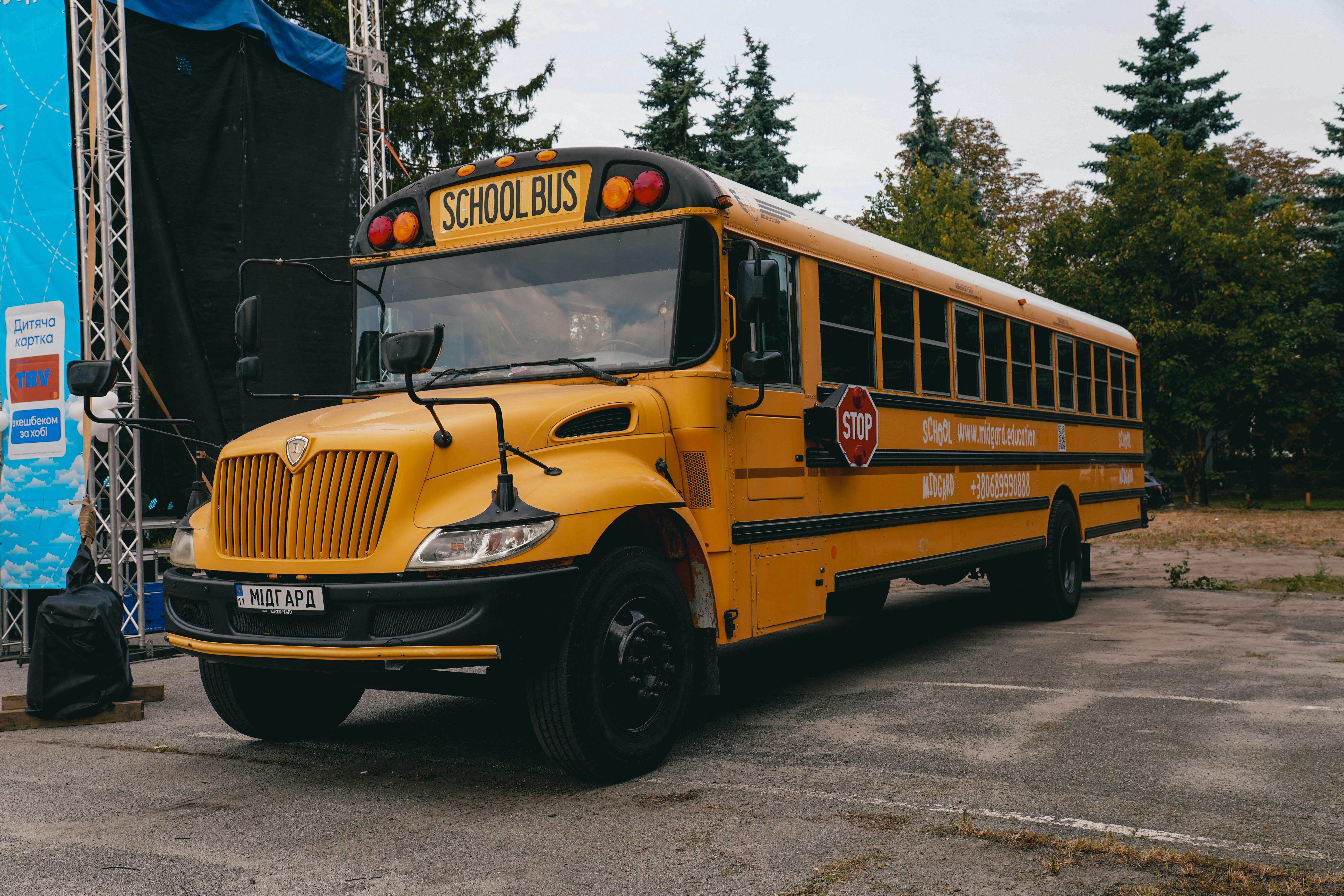
Navigating the complexities of student transportation can be a daunting task for educational institutions. With the increasing demand for safety, efficiency, and cost-effectiveness, optimizing student routes has become more crucial than ever. School districts and transportation coordinators are continually seeking innovative solutions to streamline their operations and ensure that students arrive safely and on time. In this context, embracing advanced student route optimization strategies can significantly enhance the efficiency and effectiveness of school transportation systems.
Understanding Route Optimization
Route optimization involves designing the most efficient path for school buses to take, ensuring minimal travel time and fuel consumption. This process not only reduces operational costs but also enhances the safety and reliability of student transportation. Key components of route optimization include:
- Analyzing geographic and demographic data to determine optimal bus stops and routes.
- Incorporating traffic patterns and road conditions into route planning.
- Utilizing software tools for student transportation routing and scheduling.
- Adjusting routes dynamically based on real-time factors such as weather and road closures.
Benefits of Efficient Student Route Planning
An effective student bus route planning strategy offers numerous benefits, including:
- Cost Savings: By minimizing travel distances and optimizing fuel consumption, schools can significantly reduce transportation costs.
- Improved Safety: Strategically planned routes ensure that buses avoid dangerous intersections and high-traffic areas, enhancing student safety.
- Environmental Impact: Reducing the distance traveled by each bus contributes to lower emissions, supporting environmental sustainability initiatives.
- Enhanced Punctuality: Optimized routes ensure that students spend less time on the bus, improving their overall punctuality and readiness for school.
Leveraging Technology in Route Management
The advent of advanced technology has revolutionized school transportation routing solutions. Modern route management software provides a comprehensive suite of tools that facilitate efficient route planning and execution. These technologies offer:
- Real-Time Tracking: GPS-enabled systems allow for real-time monitoring of school buses, providing accurate location data and ensuring student safety.
- Data-Driven Insights: Analytics tools offer valuable insights into route performance, helping in continuous improvement and strategic planning.
- Automated Scheduling: Automation in school bus scheduling services reduces manual workload and errors in planning.
- Parent Communication: Apps and platforms enable seamless communication with parents, keeping them informed about bus schedules and any changes.
Implementing Effective Routing Solutions
Effective implementation of student transportation routing solutions requires a strategic approach. Here are some best practices:
- Comprehensive Data Collection: Gathering accurate data on student demographics, geographic locations, and bus capacities is crucial.
- Stakeholder Engagement: Involving parents, school staff, and transportation coordinators in the planning process ensures that solutions are tailored to meet specific needs.
- Continuous Assessment: Regularly reviewing and updating routes based on feedback and changing circumstances helps maintain optimal efficiency.
- Professional Expertise: Consulting with experts in routing transportation can provide valuable insights and enhance route optimization strategies.
Conclusion
The importance of efficient transportation routing service in the educational sector cannot be overstated. By embracing advanced technologies and implementing strategic planning, schools can ensure safe, timely, and cost-effective transportation for their students. As the landscape of school transportation continues to evolve, staying ahead with the latest student transportation routing solutions will be instrumental in meeting the demands of modern education systems.